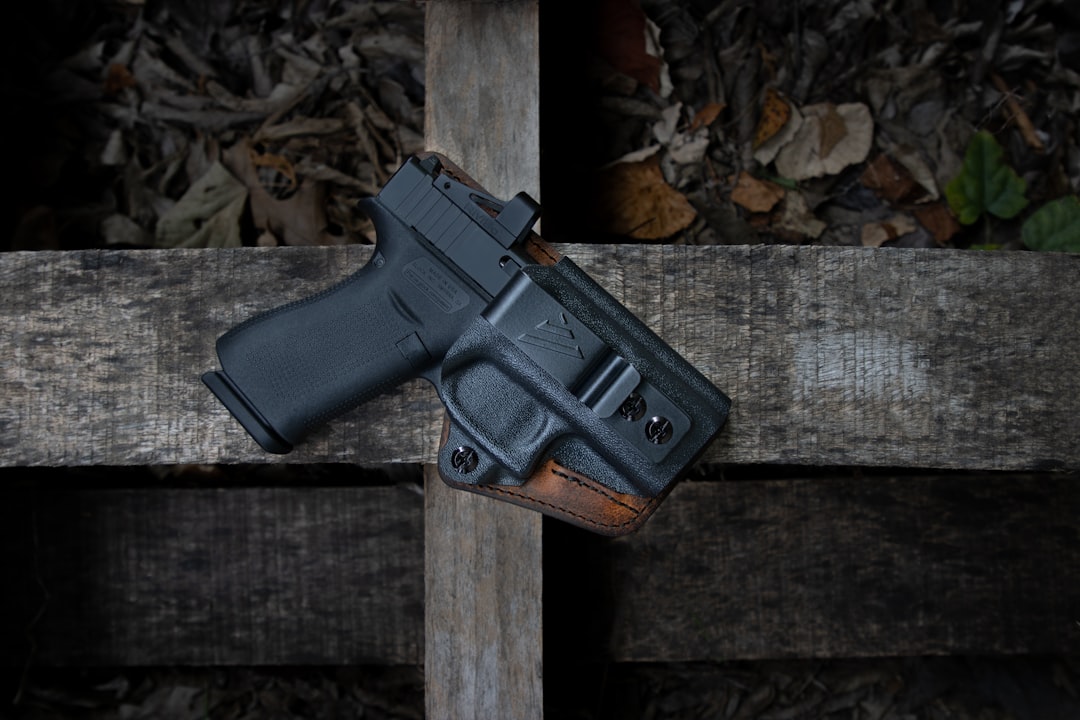
Legal compliance in the firearms world is not only about knowing the rules—it is about taking an active, ongoing role in understanding how those rules apply to specific accessories and modifications. As firearm technology continues to evolve and regulatory attention on certain accessories increases, the responsibility placed on individual owners has grown alongside it. Anyone who owns or is considering purchasing an accessory for their handgun should recognize that the glock 19 conversion kit market includes both compliant and non-compliant products, and distinguishing between them requires real effort.
What does responsible firearm ownership look like in practice?
Responsible ownership begins before a purchase is made. It involves researching the specific accessory, verifying its legal classification under federal and state law, and making purchasing decisions through reputable, domestic channels. After purchase, it involves proper storage, use only within legal contexts, and staying informed about any changes in the regulatory landscape that might affect the device’s legal status. It also means being willing to seek expert legal guidance when uncertainty arises.
How does ignorance of the law affect legal outcomes in firearm cases?
Courts have consistently held that ignorance of the law does not constitute a valid defense in firearms cases. Federal prosecutors handling NFA violations do not need to prove that a defendant knew their device was illegal—only that they possessed it. This strict liability standard makes legal awareness not just a best practice but a fundamental protection. Owners who rely on assumptions, word of mouth, or incomplete research expose themselves to serious legal risk.
What role do licensed gunsmiths and dealers play in responsible modification?
Licensed gunsmiths and federally licensed dealers serve as important checkpoints in the modification process. A qualified gunsmith understands which modifications are legally permissible and can advise customers accordingly. Engaging with a licensed professional before installing any conversion kit ensures that an expert has assessed the modification for legal compliance. It also creates a professional record of the transaction, which can be meaningful in the event of a legal inquiry.
How should firearm owners evaluate a conversion kit before purchasing?
A practical evaluation process includes several steps. The owner should identify exactly what the kit modifies—caliber, function, firing mechanism, or operational configuration. They should then research whether that type of modification falls under any federal or state regulatory category. If the kit includes components that affect the firing mechanism or enable any form of increased fire rate, additional scrutiny is warranted. If any doubt remains after independent research, consulting a firearms attorney is the appropriate next step.
What is the significance of documentation in legal compliance?
Maintaining clear records of all firearm purchases and modifications offers meaningful protection. Documentation that demonstrates when a device was purchased, from whom, and what representations were made about its legal status can be relevant in any subsequent legal proceeding. While documentation does not override legal obligations, it reflects a pattern of good-faith compliance that courts and prosecutors may consider.
How does the broader legal environment around firearm accessories continue to evolve?
Regulatory attention on firearm accessories—particularly those associated with increased fire rates or military-style configurations—has intensified over recent years. ATF rulemaking, federal court decisions, and state legislative activity have all contributed to a shifting legal landscape. Devices that were once sold openly have been reclassified; regulatory guidance has been updated; enforcement priorities have shifted. Staying engaged with these developments is not optional for responsible owners—it is a core part of lawful participation in firearm ownership culture.
What is the broader message for those who take firearm ownership seriously?
Legal compliance and responsible ownership are inseparable. The decision to modify a firearm carries legal weight, and that weight demands informed decision-making. Taking the time to understand the law, engage licensed professionals, and maintain documentation is not a burden—it is the standard that reflects genuine respect for the responsibility that comes with firearm ownership.