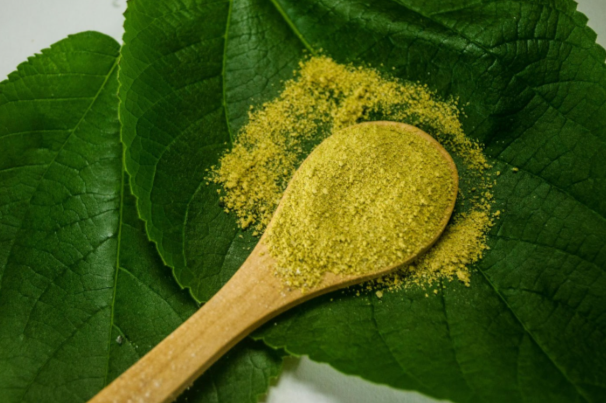
Several receptor systems in the brain are affected by Kratom’s primary alkaloids – mitragynine and 7-hydroxy mitragynine. The compounds primarily affect mu-opioid receptors and adrenergic, serotonergic, and dopaminergic systems. This neurochemical profile creates a complex pattern of effects, particularly at different dosages. Low doses stimulate adrenergic mechanisms, potentially enhancing alertness and concentration. Higher doses typically activate opioid pathways more strongly, creating sedative effects that might impair rather than improve cognitive performance.
The presence of anti-inflammatory and antioxidant alkaloids in kratom is one reason people carefully purchase kratom for personal use. Though clinical evidence remains preliminary, these theoretical benefits could address some underlying processes involved in age-related cognitive decline. The current scientific understanding of kratom’s effects on cognition presents significant gaps:
Preclinical findings
Animal studies have produced some encouraging results. The Journal of Medicinal Food reported that mitragynine improved learning and memory retention in mice. During rat models of inflammation, mitragynine reduced cognition, a possible mechanism.
Human evidence gap
Despite these promising preclinical findings, human studies specifically examining kratom’s effects on memory and cognitive processes remain extremely limited. Most research has focused on kratom’s analgesic properties, dependency potential, or general safety profile rather than cognitive outcomes.
Traditional knowledge vs. modern application
In Southeast Asian traditional medicine, kratom has been used primarily for pain relief, energy enhancement, and mood regulation rather than specifically for cognitive improvement. This historical usage pattern provides limited guidance for cognitive applications.
Those interested in the cognitive effects of this botanical may choose to purchase kratom from specialized vendors who market specific strains for mental clarity and focus. White and green vein varieties are typically associated with more stimulating, potentially cognition-enhancing effects than red strains.
Cognitive paradox of kratom use
The relationship between kratom and cognitive function appears paradoxical in several respects:
Acute cognitive enhancement vs. long-term concerns
Some users report immediate improvements in focus, mental clarity, and thought organization, particularly at lower doses. These acute effects align with kratom’s stimulant-like properties at these dosages.
Long-term, heavy kratom users showed visual learning and memory deficits. This suggests that potential short-term benefits might not translate to long-term cognitive protection and could be reversed with extensive use.
Indirect cognitive benefits
Kratom may indirectly support cognitive function in specific populations by addressing conditions that impair thinking:
- By reducing chronic pain might alleviate pain-related cognitive interference.
- Through mood regulation, it could reduce anxiety that impairs concentration and memory.
- It could support cognitive recovery by improving sleep quality for some users.
These indirect mechanisms might explain some subjective cognitive benefits reported anecdotally, even without direct enhancement effects.
Critical considerations for cognitive applications
For those contemplating kratom’s potential cognitive applications, several important factors should inform decision-making:
Individual variability factors
Response to kratom varies significantly between individuals based on the following:
- Genetic differences in metabolism and receptor sensitivity
- Baseline cognitive function and existing impairments
- Age-related changes in drug metabolism
- Concurrent medications or supplements
Research into Kratom’s potential role in cognitive health should focus primarily on well-designed clinical trials that examine specific cognitive domains. For now, those considering kratom for cognitive purposes should maintain realistic expectations, especially if they already have cognitive concerns.