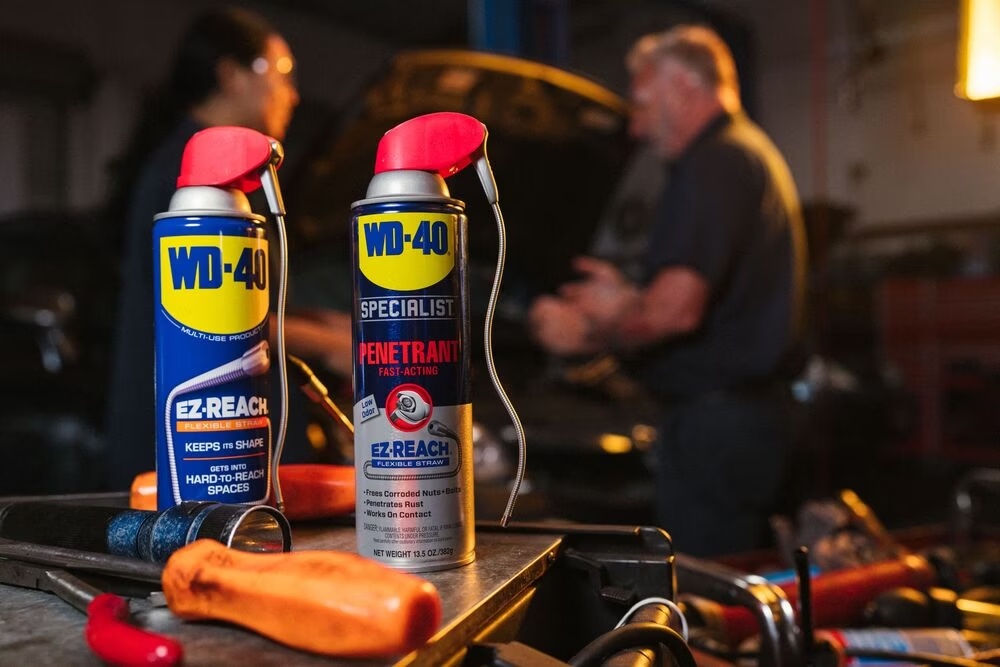
Rusted bolts and stubborn mechanical parts are some of the most common challenges faced in both home workshops and professional environments. When corrosion takes hold, even simple tasks like loosening a bolt can turn into a time consuming project. This is where a penetrating oil spray becomes an essential tool. These specialized lubricants are designed to seep deep into rust layers, dissolve oxidized material, and free up stuck components. Understanding what makes these sprays effective and how to choose the right one can save time, effort, and even prevent damage to machinery or equipment.
In this guide, you will learn what makes a penetrating oil spray valuable, how it works, and what factors matter when selecting the best penetrating oil for rust in different situations. Whether you are dealing with automotive parts, garden tools, machinery, or equipment affected by long term exposure to moisture, penetrating oils play a crucial role in restoring movement and reliability.
What Makes Penetrating Oil Sprays Different
A penetrating oil spray is not the same as standard lubricants. While everyday lubricants sit on the surface to reduce friction, penetrating oils are engineered with low viscosity and surface tension to travel into microscopic gaps between metal surfaces. Their ability to bypass rust layers is what makes them incredibly effective on seized hardware.
Low Viscosity for Deep Penetration
The thin consistency is a defining characteristic of a penetrating oil spray. This allows the liquid to move quickly between tightly compressed threads or joints. When rust has expanded and locked components together, the oil needs to access the smallest openings to break that bond. The low viscosity helps the oil seep through even when the parts appear completely immovable.
Rust Softening Properties
The most effective penetrating oils contain additives that soften corrosion. Rust creates a rough, uneven layer that grips metal surfaces. By softening the oxidized material, the oil weakens this grip so the hardware can be freed with less force. This is especially important when dealing with older equipment that cannot tolerate high levels of torque.
Water Displacement and Corrosion Resistance
In addition to breaking down rust, many penetrating oils are formulated to displace moisture. Water is one of the primary drivers of corrosion. By removing trapped moisture, a penetrating oil spray not only helps free stuck components but also protects them from future rust formation. This lasting protection is valuable in environments that experience humidity, rain exposure, or fluctuating temperatures.
Why Rusted Bolts and Mechanical Parts Become Stuck
Understanding the reason behind seized bolts or components helps highlight why the best penetrating oil for rust is so important. Rust forms when metal reacts with oxygen and moisture. Over time, this process expands the metal surface and creates a flaky layer that binds onto the surrounding material.
Oxidation Expands Metal Surfaces
As rust forms, the oxidized surface increases in volume. This expansion tightens the connection between threads on bolts and nuts, making them much harder to remove. Mechanical parts that rely on precise movement can also freeze when rust collects in moving joints.
Lack of Lubrication Over Time
Machinery and hardware that are not regularly lubricated are more likely to seize. Without protective coatings, metal is exposed to moisture and oxygen, accelerating corrosion. A penetrating oil spray helps restore lubrication and break apart corrosion buildup.
Environmental Factors
Outdoor equipment, automotive components, and tools stored in damp areas face higher risks of corrosion. Winter exposure, rain, and humidity all accelerate rust. When these factors combine over long periods, even simple mechanical parts can become difficult to move.
Choosing the Best Penetrating Oil for Rust
Selecting the right penetrating oil depends on the type of task and the severity of corrosion. While all penetrating oils aim to loosen stuck components, different formulas offer specific strengths.
Look for Fast Penetration
Time matters, especially when working on projects that require quick results. Oils formulated for rapid penetration begin breaking down rust almost immediately, making them ideal for routine tasks in automotive, home repair, and industrial maintenance.
Corrosion Protection Matters
Some penetrating oils not only loosen bolts but also provide lasting protection. If the part will remain exposed to moisture or outdoor conditions, choosing an oil with corrosion inhibitors ensures the issue does not return soon.
Consider Material Compatibility
Not all metals react the same way to corrosion or lubricants. If you are working with sensitive metals like aluminum, choosing the best penetrating oil for rust that is safe for lightweight alloys helps prevent surface damage or chemical reactions. Material compatibility is crucial when dealing with bicycles, small engines, marine parts, and appliance hardware.
How to Use Penetrating Oil Sprays Effectively
Applying penetrating oil may seem straightforward, but technique can significantly influence the results. Using the oil properly helps ensure that the rust dissolves efficiently and the hardware loosens without causing damage.
Clean the Surface When Possible
Removing loose rust, dirt, or debris helps the oil make better contact with the metal. A wire brush or simple wipe can greatly improve how well the oil can move through the threads or joints.
Apply Generously and Allow Time to Work
Penetrating oils need time to seep into the rusted layers. Spraying a generous amount and allowing several minutes, or in severe cases several hours, gives the oil time to soften the corrosion. Reapplying may be necessary for heavily seized parts.
Use Gentle Force Before Increasing Pressure
After the oil has had time to work, apply steady pressure to loosen the bolt or component. Starting with gentle force helps prevent rounding off bolt heads or breaking hardware. If resistance is still high, apply more oil and wait a little longer before making another attempt.
Practical Uses for Penetrating Oil Sprays
Penetrating oil sprays are widely used across industries and home settings. Their versatility makes them invaluable for many mechanical and repair tasks.
Automotive Repairs
Vehicles often experience rust due to road salt, moisture, and heat cycles. Penetrating oils are commonly used to loosen exhaust bolts, suspension components, and engine parts that have seized over time.
Home Workshop and DIY Projects
From freeing stuck screws in furniture to restoring garden tools, penetrating oil sprays help extend the life of household equipment and simplify maintenance tasks.
Industrial or Mechanical Equipment
Factories and workshops rely on smooth operation. A penetrating oil spray is often used during routine maintenance to prevent machinery downtime and ensure smooth movement of mechanical parts. Dealing with rusted bolts and stuck mechanical components can be frustrating, but the right penetrating oil spray transforms the process into a manageable task. By breaking down corrosion, displacing moisture, and restoring movement, these sprays save time and reduce the need for excessive force that could damage hardware. Choosing the best penetrating oil for rust ensures reliability, protection, and long term results, whether you are working on a vehicle, home project, or industrial equipment. With the proper technique and the right formula, penetrating oils remain one of the most valuable tools for maintaining the performance and longevity of metal components.