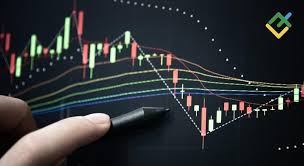
Risk management is the cornerstone of successful Forex trading. While the market offers significant profit potential, it also carries high volatility and leverage risks. Statistics indicate that more than 70% of retail forex risk management tools lose money, often due to inadequate risk controls rather than lack of trading knowledge.
Forex risk management tools are designed to protect capital, reduce losses, and instill trade discipline. By using structured methods, traders can make informed decisions, limit emotional bias, and improve long-term profitability.
Which Tools Are Most Effective for Forex Risk Management?
Modern traders have access to a variety of tools to safeguard their investments. These tools not only reduce losses but also enhance trading discipline, ensuring consistency. Some of the most effective tools include:
- Stop-Loss Orders: Automatically closes a trade at a pre-determined price to prevent excessive losses. Statistics show that traders who consistently use stop-loss orders reduce their average monthly drawdown by up to 40%.
- Take-Profit Orders: Locks in profits once a target level is reached, preventing gains from being eroded by market reversals.
- Position Sizing Calculators: Determine the optimal trade size relative to account balance and risk tolerance. Research indicates that proper position sizing increases survival rates among traders by 35–50%.
- Trailing Stops: Adjusts stop-loss levels as the market moves in a favorable direction, securing profits while allowing trades to continue running.
- Risk/Reward Analysis Tools: Helps evaluate the potential reward versus risk before entering a trade. Data reveals that trades with a risk/reward ratio of at least 1:2 are more likely to be profitable over time.
How Do Stop-Loss and Take-Profit Orders Reduce Losses?
Stop-loss and take-profit orders are foundational tools for disciplined Forex trading.
- Stop-Loss Orders: These limit downside risk by automatically exiting losing trades. Traders using stop-losses have a significantly lower chance of catastrophic losses. Statistics from trading journals suggest that disciplined use of stop-losses can reduce account drawdowns from an average of 15% to under 8% per month.
- Take-Profit Orders: These secure gains by automatically closing profitable trades. Traders who fail to set take-profit levels often experience profit erosion in volatile market conditions, underscoring the importance of this tool.
What Role Does Position Sizing Play in Risk Management?
Position sizing is one of the most overlooked yet critical aspects of Forex risk management. It determines how much capital to allocate per trade based on account size and acceptable risk.
For example, if a trader’s account balance is $10,000 and they risk 1% per trade, the maximum loss per trade would be $100. Using position sizing calculators ensures that trade size aligns with the trader’s risk tolerance and strategy.
Research indicates that traders who practice strict position sizing are 50% more likely to sustain long-term profitability compared to those who trade arbitrary lot sizes.
How Can Traders Use Trailing Stops to Protect Profits?
Trailing stops are dynamic stop-loss orders that move in the direction of favorable price movement. They allow traders to lock in gains while staying in profitable trades.
For instance, if a currency pair rises by 100 pips and the trader sets a trailing stop of 50 pips, the stop-loss automatically adjusts to 50 pips below the peak price. This ensures that profits are partially secured even if the market reverses.
Studies indicate that trailing stops can increase realized profits by 15–25% in trending markets compared to static exit points.
How Do Risk/Reward Analysis Tools Improve Decision-Making?
Risk/reward analysis evaluates potential gains relative to potential losses before executing trades. A trade with a 1:3 risk/reward ratio, for example, risks $100 to potentially gain $300.
Statistical analysis shows that traders who consistently maintain favorable risk/reward ratios can be profitable even with a win rate below 50%. This demonstrates that strategic risk-reward planning is more important than relying solely on winning percentages.
What Are the Psychological Benefits of Using Risk Management Tools?
Beyond capital protection, risk management tools improve trading psychology. Trading without a structured plan often leads to emotional decisions, overtrading, and impulsive reactions to market volatility.
- Enhanced Discipline: Tools like stop-losses and position sizing enforce consistency and prevent emotional errors.
- Reduced Anxiety: Knowing that trades are monitored and losses are limited helps traders stay focused.
- Improved Confidence: Structured risk controls allow traders to take positions confidently, understanding that downside exposure is manageable.
According to trading psychology studies, disciplined traders who use risk management tools experience a 30–40% reduction in stress and decision fatigue compared to undisciplined peers.
Which Platforms Offer Advanced Risk Management Tools?
Modern Forex platforms integrate multiple risk management tools for trader convenience:
- MetaTrader 4 and 5: Offer stop-loss, take-profit, trailing stops, and custom risk indicators.
- cTrader: Features built-in position sizing calculators and automated risk alerts.
- TradingView: Provides risk/reward ratio tools and chart-based risk evaluation.
- Automated Trading Systems: Allow algorithmic execution of pre-defined risk parameters, reducing emotional interference.
Statistics reveal that traders using professional platforms with integrated risk management tools are twice as likely to maintain consistent profitability as those using manual tracking methods.
How Can Traders Combine Multiple Tools for Maximum Protection?
Effective risk management often requires combining several tools for comprehensive coverage. For example:
- Use position sizing to control exposure.
- Apply stop-loss and take-profit orders to manage individual trade outcomes.
- Employ trailing stops to capture extended trends.
- Analyze risk/reward ratios before entry to ensure strategic positioning.
Data shows that traders employing multiple risk management tools simultaneously reduce drawdowns by 30–50% compared to those relying on a single method.
What Are Emerging Trends in Forex Risk Management?
Forex risk management is evolving with technology and analytics. Key trends include:
- Algorithmic Risk Controls: Automated systems monitor trades, adjust stop levels, and execute exits without human intervention.
- Real-Time Volatility Alerts: Traders receive instant notifications when market volatility exceeds thresholds, allowing proactive risk adjustments.
- Integrated Portfolio Management: Some platforms offer tools to manage multiple accounts and currency pairs simultaneously, optimizing overall risk.
- AI-Powered Predictive Analytics: Machine learning models forecast potential risk scenarios, enhancing pre-trade decision-making.
Studies show that traders adopting advanced technological tools improve risk-adjusted returns by 20–35% compared to traditional manual approaches.
How Can New Traders Start Implementing Risk Management?
For beginners, integrating risk management from the start is essential. Steps include:
- Set a Maximum Risk per Trade: Limit losses to a small percentage of account balance.
- Use Stop-Loss Orders Consistently: Protect each trade from unexpected volatility.
- Calculate Position Sizes Before Entering Trades: Avoid emotional overexposure.
- Track Performance: Maintain a trading journal to analyze risk decisions and outcomes.
- Gradually Increase Exposure: Scale trading activity as confidence and experience grow.
Data from retail trading surveys indicates that new traders who adopt structured risk management are 50% more likely to survive the first year of trading.
Can Risk Management Improve Long-Term Trading Success?
Absolutely. Statistics show that traders who consistently apply risk management tools:
- Maintain smaller and more controlled drawdowns.
- Achieve higher risk-adjusted returns.
- Exhibit greater discipline and emotional stability.
- Have increased probability of sustaining long-term profitability.
According to professional trading studies, accounts with strict risk management protocols outperform non-managed accounts by up to 60% over a 12-month period.
Conclusion: Why Forex Risk Management Tools Are Non-Negotiable
Effective Forex trading is not about eliminating risk entirely but managing it intelligently. Risk management tools—such as stop-loss orders, position sizing calculators, trailing stops, and risk/reward analysis—provide the structure needed to protect capital, reduce losses, and enhance trading discipline.
Key takeaways:
- Consistently using risk management tools reduces drawdowns and improves survival rates.
- Combining multiple tools creates a robust framework for disciplined trading.
- Modern platforms and technology provide sophisticated risk monitoring and adjustment capabilities.
- Psychological benefits, such as reduced stress and improved confidence, are critical for long-term success.
- Traders who implement structured risk strategies statistically achieve higher and more consistent profitability than those who rely on intuition alone.
Forex trading offers immense opportunities, but without proper risk management, potential losses can outweigh gains. By integrating professional tools, maintaining discipline, and adapting strategies to evolving market conditions, traders can protect their capital and position themselves for sustainable success in the highly competitive Forex market.