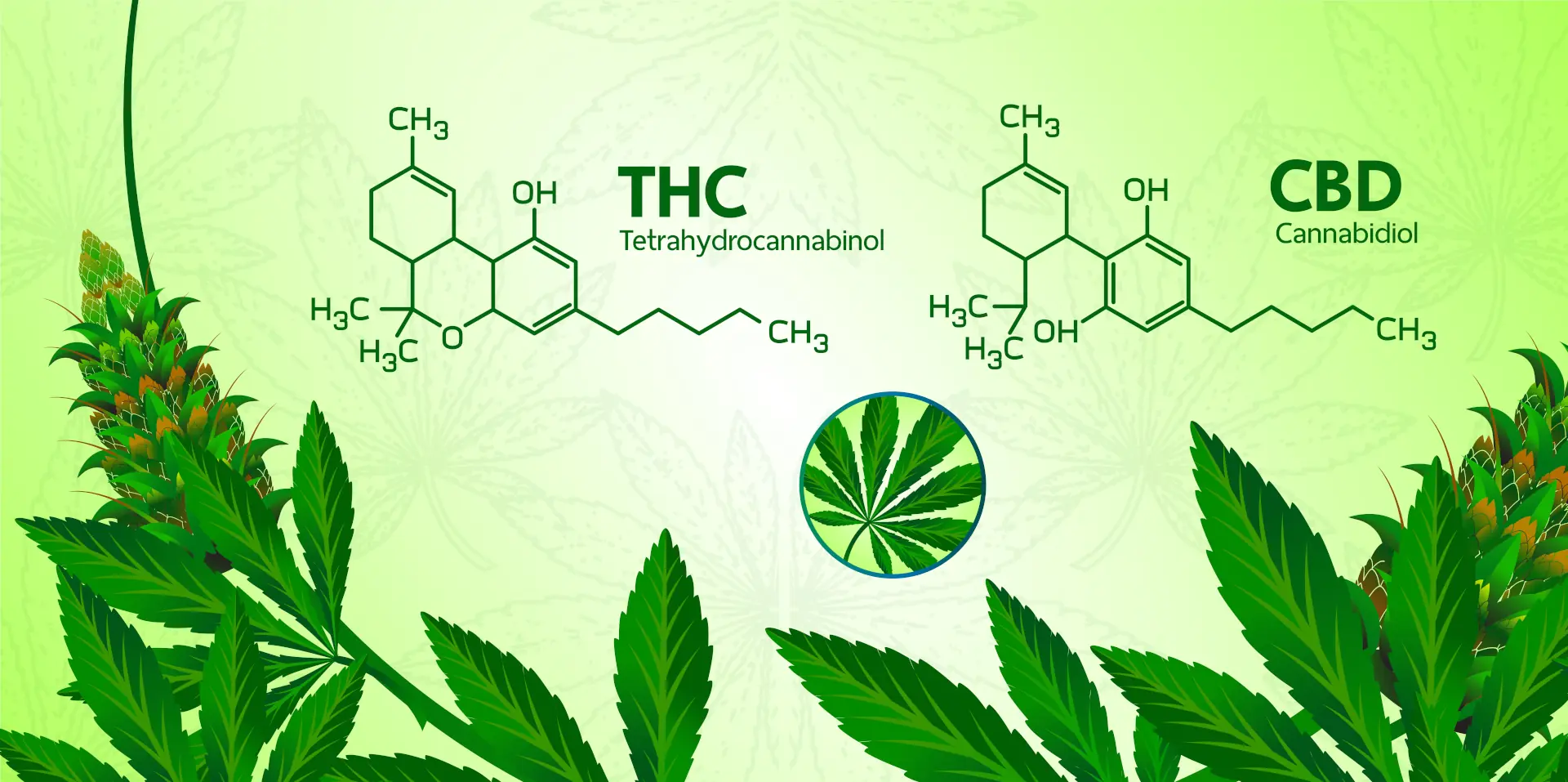
Trying to figure out if a CBD pain cream is right for you? With so many options out there and a ton of mixed info online, it can be confusing knowing what actually works and what’s just hype. So let’s break things down in plain English. This guide covers everything — what CBD creams do, how safe they are, what to look for in a good one, and which brands are actually worth your cash.
What Is CBD Pain Cream and How Does It Work?
CBD, short for cannabidiol, is a natural compound found in hemp. When it’s added to a cream or balm, you apply it directly to your skin — no eating or vaping involved. These topicals don’t affect your whole body like a CBD gummy might. Instead, they work in a super targeted way by interacting with nearby receptors in your skin and muscles.
What’s happening under the surface? Your body has something called the endocannabinoid system, which helps regulate pain and inflammation. When CBD is absorbed into the skin, it connects with receptors in this system and may help tone down pain signals and swelling in that area.
This is why people use CBD creams for sore backs, knees, shoulders, or anywhere they’re feeling achy or stiff. It’s more about local relief — think of it like a massage in a jar.
Benefits of Using CBD Cream for Pain Relief
CBD creams are a go-to for all kinds of pain, from muscle soreness after a workout to chronic joint issues like arthritis. Many folks like them because they offer relief without needing to take meds or supplements.
One big benefit is anti-inflammatory support. Inflammation is a major reason we feel pain in the first place, and CBD seems to help lower it. There’s also evidence it can be good for nerve pain, and that’s a tough one to treat with over-the-counter stuff.
Compared to things like menthol gels or capsaicin creams (the ones that give off a burning or tingling feel), CBD products are usually more calming. Some creams actually combine ingredients like menthol or arnica with CBD, so you get the best of both worlds — fast action plus longer-lasting relief.
What to Look for in a High-Quality CBD Pain Cream
Read the label before you put anything on your skin — especially with CBD. Here’s what really matters when choosing a quality cream:
- CBD type: This can be full-spectrum (includes THC under 0.3% plus other hemp compounds), broad-spectrum (THC-free but includes other helpful compounds), or isolate (pure CBD only).
- CBD concentration: The amount of CBD per container matters. A good rule of thumb is to aim for 300mg or more if you want effective pain support.
- Bonus ingredients: Menthol, arnica, eucalyptus, and essential oils can boost relief and give a nice cooling or warming feel on sore areas.
- Allergens and fragrance: If you’ve got sensitive skin, avoid heavy fragrances and check the ingredient list for anything that might cause a reaction.
- Transparency: Reputable brands show lab results. Look for third-party testing and a Certificate of Analysis (COA) to make sure what’s in the jar is safe and actually contains what it says on the label.
Safety and Side Effects of CBD Topicals
Good news — most CBD creams are considered safe. Since they don’t enter your bloodstream the way oils or gummies do, they usually come with fewer side effects.
That said, you still want to watch for skin irritation, especially if you have allergies or super-sensitive skin. Always test a small area first. If you notice redness, itching, or irritation, stop using it and talk to your doctor.
CBD could possibly interact with certain medications too — even though it’s applied topically. So if you’re on any prescriptions, it’s smart to check in with a healthcare provider before adding CBD cream to your routine.
Legal Considerations for Buying CBD Creams in the USA
Here’s where things can get a little tricky. Federally, CBD is legal in the U.S. as long as it’s derived from hemp and contains less than 0.3% THC. That’s what you’ll usually find in creams sold online or in stores.
But some states have tighter rules. For example, a few restrict the sale of any products with THC, even trace levels. To stay on the safe side, always check your state’s laws and stick to products that clearly state they follow the federal THC limit.
Also keep in mind: The FDA doesn’t regulate over-the-counter CBD creams yet. That means it’s up to you to find trustworthy products and avoid anything making bold or sketchy health claims.
How to Use CBD Creams for Maximum Effectiveness
Using CBD cream is easy, but how and where you apply it definitely matters. Start with clean, dry skin, then massage a small amount into the area that hurts. Use firm, circular motions — kind of like a DIY massage — so it really gets absorbed into the tissue.
You’ll usually feel the soothing effects within 15 to 45 minutes. Some people use it two or three times a day for ongoing relief. Just listen to your body and adjust as needed.
And if you’re doing physical therapy, stretching, or other pain care methods, CBD cream can be a great add-on tool in your routine.
Common Questions About CBD Pain Creams (FAQ)
Does CBD cream get you “high”? Nope. CBD isn’t the stuff that causes a high — that’s THC. Even full-spectrum creams legally only have tiny amounts of THC, not enough to mess with your head.
How soon will I feel results? It depends on your body and the product, but many people feel relief within 30 minutes of applying.
Can I use CBD cream on all parts of the body? Mostly yes! Just avoid using it on broken skin or near your eyes and mouth.
What if I experience side effects? Stop using it and wash the area. If it’s a mild rash or irritation, it should calm down quickly. Still, reach out to a doctor if it worries you.
Final Thoughts: Is CBD Pain Cream Right for You?
CBD creams might just be the secret weapon your sore muscles, stiff joints, or nagging aches have been waiting for. The key is picking a legit product with the right ingredients, knowing what to expect, and making sure it fits your needs. Don’t skip the fine print — look for lab testing, check out reviews, and when in doubt, talk to a doc. At the end of the day, a little knowledge goes a long way toward finding a cream that actually lives up to the hype.