
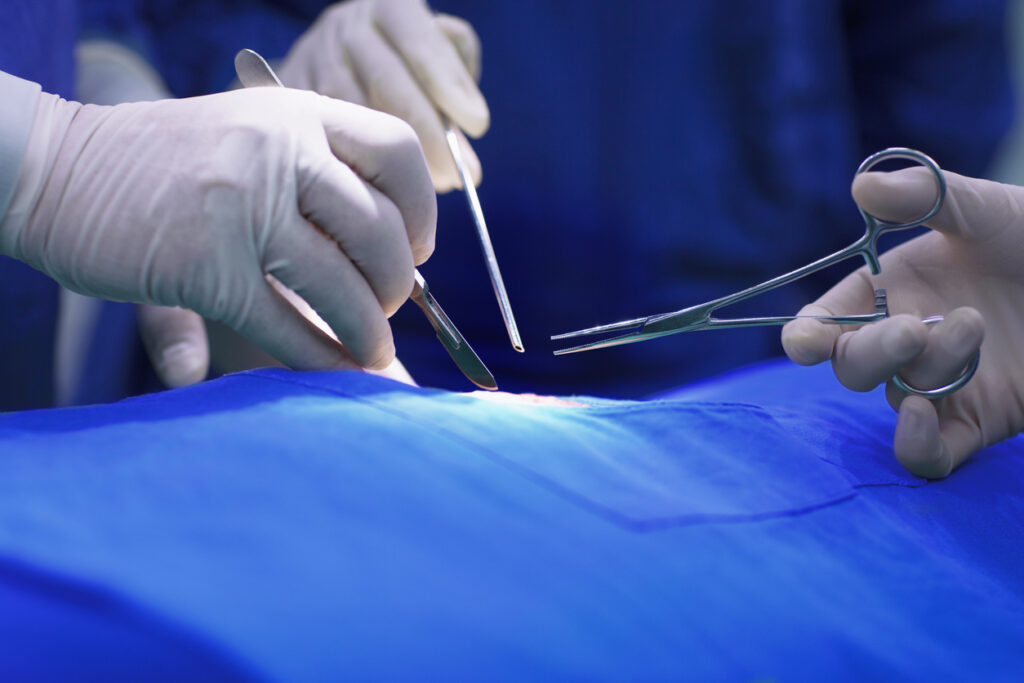
Hand and microsurgery represent two of the most intricate and impactful fields within the realm of modern medicine. These specialized surgical techniques enable surgeons like Dr. Yorell Manon-Matos to address a multitude of complex conditions and injuries, restoring function and enhancing the quality of life for countless patients.
The Art and Science of Hand Surgery
Hand surgery is a specialized field focusing on the diagnosis, treatment, and rehabilitation of conditions affecting the hand, wrist, and forearm. This intricate field encompasses a wide array of issues, from traumatic injuries such as fractures and tendon lacerations to chronic conditions like arthritis and carpal tunnel syndrome. Dr. Yorell Manon-Matos use his expertise to restore both form and function, ensuring patients can regain optimal use of their hands.
One of the unique aspects of hand surgery is the requirement for a deep understanding of the anatomy and function of the hand. The hand is a complex structure comprising numerous bones, joints, ligaments, tendons, nerves, and blood vessels, all working in harmony to perform intricate movements. This complexity demands a high level of precision and skill from the surgeon. Procedures often involve meticulous techniques such as tendon repairs, nerve decompressions, and joint reconstructions to restore mobility and alleviate pain.
The Precision of Microsurgery
Microsurgery takes the precision required in hand surgery to an even higher level. It involves the use of a microscope or high-powered loupe to perform surgery on very small structures, often with the aid of tiny specialized instruments. Microsurgery is crucial in procedures involving tissues and structures that are barely visible to the naked eye, such as nerves and blood vessels. The application of microsurgery is diverse and extends beyond hand surgery to include reconstructive surgery, vascular surgery, and even certain types of cancer surgeries.
One of the most remarkable applications of microsurgery is in the reattachment of severed digits or limbs. When a finger or limb is amputated, microsurgeons meticulously reconnect the blood vessels and nerves, restoring circulation and sensation. This process is incredibly intricate, often requiring hours of surgery under a microscope. Thanks to advancements in microsurgical techniques, many patients who experience traumatic amputations can regain significant function and sensation in the affected parts.
Techniques and Technologies
The field of hand and microsurgery is continually evolving, driven by innovations in both techniques and technologies. Advancements in imaging techniques, such as high-resolution MRI and 3D imaging, have revolutionized the preoperative planning process, allowing surgeons, including Dr. Yorell Manon-Matos, to visualize the intricate structures of the hand with unparalleled clarity. Moreover, the development of new surgical instruments and materials has enhanced the precision and outcomes of these procedures.
In addition to technological advancements, the advent of minimally invasive techniques has transformed the landscape of hand and microsurgery. Procedures that once required large incisions and prolonged recovery times can now be performed through tiny incisions with the aid of endoscopic tools. This approach minimizes tissue damage, reduces pain, and accelerates the healing process, greatly benefiting patients.
The Impact on Patients’ Lives
The impact of hand and microsurgery on patients cannot be overstated. Restoring the function of the hand or reattaching a severed digit not only enhances physical capabilities but also significantly improves psychological well-being. The ability to perform daily tasks, return to work, or engage in hobbies can dramatically enhance a person’s quality of life.
In conclusion, hand and microsurgery are at the forefront of medical innovation, combining artistry and science to address some of the most challenging conditions and injuries. As technology and techniques continue to advance, the future of this field holds even greater promise for improving patient outcomes and transforming lives.