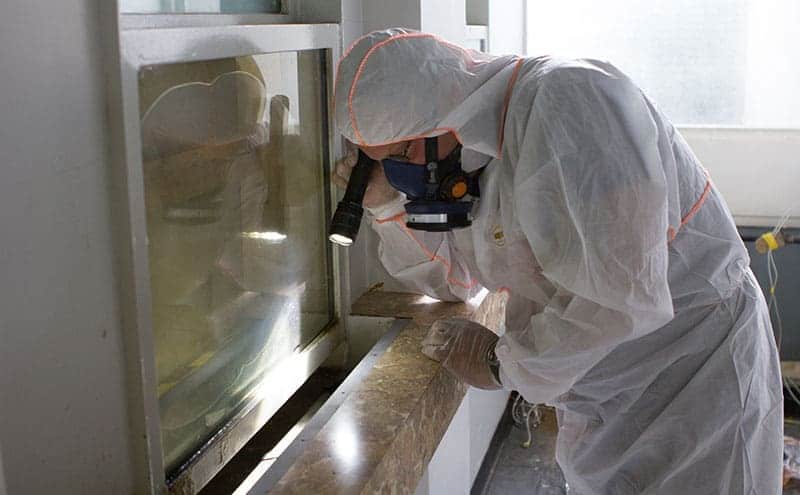
Understanding health risks in our environment is more crucial than ever, and few hazards are as widely recognized yet underestimated as asbestos. Asbestos exposure continues to be a leading concern in both residential and commercial buildings, particularly those constructed before the late 1980s. With ongoing discussions about public health and workplace safety, asbestos testing is taking center stage in trending statistics blogs and health-focused articles. The clear consensus from global data and recent trends is that proactive asbestos testing delivers significant health benefits, preventing both individual and societal costs.
The Hidden Hazard of Asbestos
Most people know that asbestos is dangerous, but fewer realize just how quietly it can impact lives. Asbestos is a group of naturally occurring minerals that, when disturbed, release microscopic fibers into the air. Once inhaled, these fibers can lodge in lung tissue, leading to serious long-term health issues. According to multiple health agencies, diseases linked to asbestos include asbestosis, lung cancer, and mesothelioma. These diseases are often identified decades after initial exposure, making early detection and prevention essential.
The Prevalence of Asbestos Exposure
While regulations have been introduced over the years to control the use of asbestos, millions of homes and workplaces still contain asbestos-based materials. Data from housing authorities suggest that as many as one-third of homes built before 1990 harbor asbestos-containing materials in insulation, floor tiles, roofing, and wall linings. Workplace studies have found that certain industries—including construction, maintenance, and demolition—rank among the highest for risk of exposure.
Health Impacts Backed by Statistics
Long-term trends from global health organizations show that asbestos exposure is directly linked to significant increases in respiratory diseases. For instance, mesothelioma, an aggressive form of cancer, is almost exclusively caused by asbestos. Studies suggest that thousands are diagnosed with mesothelioma each year, with the highest incidence rates reported in populations with a history of occupational exposure.
From 1999 to 2019, the Centers for Disease Control and Prevention (CDC) reported over 45,000 deaths due to mesothelioma in the United States alone. Cases often involve individuals who were unaware of exposure until symptoms appeared decades later. This time lag highlights the value of regular asbestos testing and monitoring as a preventative measure with measurable health benefits.
The Benefits of Prompt Asbestos Testing
Prevention of Health Crises
The clearest advantage of asbestos testing is that it provides critical, actionable insights before exposure becomes a serious concern. Testing identifies the location, condition, and types of asbestos present, allowing property owners to make informed decisions about remediation or containment. This early action can prevent disease development and avoid the cascade of personal and public health issues that follow unaddressed exposure.
Savings on Healthcare and Insurance Costs
Preventive health measures often lead to significant cost savings, and statistics show that asbestos testing is no exception. By identifying and addressing asbestos hazards before they cause harm, individuals and businesses can significantly reduce potential medical expenses over time. Employee compensation claims, healthcare costs, and insurance premiums tend to rise exponentially when asbestos-related illnesses occur. Regular testing, therefore, serves as an investment in long-term financial stability.
Enhancing Workplace Safety and Productivity
Workplace safety regulations increasingly require rigorous standards, especially in old buildings or at-risk environments. Statistical reviews reveal that job sites with active asbestos testing programs report fewer health complaints and higher productivity. Employees who know they are working in safe conditions are less likely to report health issues, experience absenteeism, or pursue compensation claims. Maintaining a safe working environment is not only ethical but statistically linked to improved business outcomes.