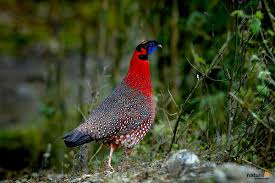
For enthusiasts of the great outdoors, nature photographers offer a unique gateway to explore the beauty and diversity of our planet. Through their lenses, landscapes come alive, wildlife moments are frozen in time, and the subtle details of nature’s grandeur are revealed. Whether capturing the grandeur of mountains, the serenity of forests, or the intricate patterns of flora and fauna, nature photography enables viewers to experience the world from perspectives they might never witness firsthand.
What Defines a Nature Photographer?
Nature photographers specialize in capturing the environment in its purest form. Their work encompasses landscapes, wildlife, plants, and natural phenomena. Unlike casual photography, this discipline requires patience, technical skill, and a deep understanding of the natural world. Successful nature photographers anticipate lighting conditions, animal behavior, and seasonal changes, ensuring that each image conveys not just a scene, but a story, mood, and sense of place.
Why Is Nature Photography So Captivating?
Nature photography captivates because it bridges the gap between human experience and the vastness of the natural world. Viewers are transported to distant landscapes, from misty mountain peaks to sun-drenched deserts, evoking awe and inspiration. Wildlife photography, in particular, reveals intimate moments of animals in their habitats, capturing behaviors that are both vulnerable and majestic. The combination of technical skill, timing, and artistic vision creates photographs that resonate emotionally and visually.
How Do Nature Photographers Capture Wildlife in Action?
Capturing wildlife requires patience, timing, and understanding of animal behavior. Photographers often spend hours observing their subjects to anticipate movements and actions. Telephoto lenses, silent shutters, and camouflage techniques are used to minimize disturbance. By blending into the environment and respecting animal space, photographers can capture natural, unposed behavior, resulting in images that are authentic and compelling.
Can Landscape Photography Inspire Environmental Awareness?
Yes. Landscape photography does more than show beauty; it can raise awareness of environmental issues. Dramatic depictions of pristine landscapes, endangered habitats, and natural disasters can inspire conservation efforts. Nature photographers often use their work to highlight the fragility and importance of ecosystems, encouraging viewers to value and protect the natural world. These images serve as both artistic expressions and tools for environmental advocacy.
What Skills Are Essential for Nature Photographers?
Several skills are crucial for success in nature photography. Technical proficiency with cameras, lenses, and exposure settings is essential. Understanding natural lighting, composition, and depth enhances the visual impact of images. Equally important are patience, observational skills, and adaptability to changing weather and terrain. A deep connection with nature ensures that photographs are not only visually striking but also convey authenticity and meaning.
How Do Photographers Select Locations for Stunning Shots?
Location scouting is a critical aspect of nature photography. Photographers research geographic areas, seasonal patterns, and animal migration routes to identify prime opportunities. Sunrise and sunset are favored for landscape work due to the quality of natural light. Accessing remote or challenging locations often requires physical preparation and logistical planning, but these efforts are rewarded with unique, breathtaking images that capture the essence of the natural environment.
Can Nature Photography Be Considered Art?
Absolutely. While technically a form of documentation, nature photography is inherently artistic. Composition, color, perspective, and storytelling all play central roles. The choice of framing, angle, and moment elevates a photograph from a mere image to a work of art. Many nature photographers present their work in galleries or as large-scale prints, allowing viewers to experience landscapes and wildlife in ways that combine both visual appeal and emotional resonance.
What Equipment Is Commonly Used by Nature Photographers?
Nature photographers rely on specialized equipment to capture high-quality images. Cameras with high-resolution sensors, telephoto lenses for wildlife, wide-angle lenses for landscapes, and tripods for stability are commonly used. Filters, remote triggers, and protective gear also enhance the ability to photograph in diverse conditions. Advanced gear allows photographers to capture fine details, motion, and lighting variations that are essential to creating striking photographs.
How Does Patience Play a Role in Capturing Perfect Shots?
Patience is one of the most important qualities of a successful nature photographer. Wildlife may take hours or even days to appear in a scene, and weather conditions can change rapidly. Photographers often wait for ideal light, specific animal behaviors, or fleeting moments in nature. This dedication ensures that the resulting images are authentic, compelling, and full of the subtle nuances that make nature photography so powerful.
Can Photography Encourage Travel and Exploration?
Yes. Stunning nature photographs inspire viewers to explore new locations and experience the outdoors firsthand. Mountains, forests, waterfalls, and deserts depicted in compelling images encourage adventure and curiosity. Many people plan hikes, wildlife excursions, or eco-travel trips inspired by photography, bridging the gap between visual appreciation and direct experience of nature.
What Role Does Conservation Play in Nature Photography?
Nature photography often intersects with conservation. By documenting threatened species, disappearing landscapes, or environmental challenges, photographers contribute to awareness and advocacy. Images can be used in campaigns, publications, or educational programs to communicate the urgency of protecting ecosystems. Responsible photographers adhere to ethical practices, minimizing disturbance to wildlife and respecting natural habitats.
How Do Photographers Achieve Unique Perspectives?
Perspective is key to creating impactful images. Photographers may shoot from elevated vantage points, ground level, or unusual angles to present familiar scenes in new ways. Utilizing foreground and background elements, reflections, and natural lines enhances composition and depth. These techniques transform ordinary landscapes into visually dynamic experiences, engaging viewers and encouraging them to see the world differently.
Can Nature Photography Be Practiced by Beginners?
Yes. While professional nature photography requires skill and experience, beginners can start with basic equipment and practice observing natural light, composition, and subject behavior. Starting locally, photographing parks, gardens, or nearby wildlife, helps develop a keen eye. Over time, skills improve, enabling more advanced projects in remote locations or specialized wildlife photography. Patience, curiosity, and persistence are key to growth.
What Are the Benefits of Sharing Nature Photography Online?
Sharing images online allows photographers to reach a global audience, connect with fellow enthusiasts, and gain exposure. Social media platforms, photography communities, and personal websites provide opportunities to showcase work, receive feedback, and collaborate with other artists. Online sharing also inspires viewers, encourages eco-conscious behavior, and highlights the beauty and importance of preserving nature.
Can Photography Influence Mental Well-Being?
Engaging with nature, whether by exploring or photographing it, has been shown to reduce stress and improve mental health. Capturing scenes of tranquility, vast landscapes, or wildlife activity can promote mindfulness, patience, and a deeper appreciation of the environment. Both photographers and viewers benefit from the emotional impact and meditative qualities of connecting with natural imagery.
How Do Professional Photographers Sell or Exhibit Their Work?
Nature photographers often sell prints, digital downloads, or licensing rights for editorial and commercial use. Exhibitions in galleries, museums, or public spaces allow wider audiences to experience the art. Some photographers also offer workshops, tours, or instructional courses, sharing their expertise while generating revenue. Platforms that support fine art sales help artists monetize their work while maintaining creative control.
Can Nature Photography Inspire Future Generations?
Yes. Exposure to breathtaking landscapes and wildlife can spark curiosity and passion for the environment in younger generations. Educational programs and exhibitions that feature nature photography encourage students to learn about ecosystems, animal behavior, and environmental stewardship. By inspiring appreciation for the natural world, photography contributes to conservation-minded attitudes and sustainable practices.
What Are the Challenges of Nature Photography?
Photographers face numerous challenges, including unpredictable weather, difficult terrain, limited light, and elusive wildlife. Physical endurance, safety precautions, and logistical planning are critical to capturing high-quality images. Technical challenges such as exposure, focus, and motion also require skill and adaptability. Overcoming these obstacles rewards photographers with unique, breathtaking images that showcase the richness of nature.
Conclusion: Why Nature Photography Is Essential for Art and Awareness
Nature photographers provide a vital link between humans and the natural world. Through their artistry, they capture the splendor, fragility, and intricacy of landscapes and wildlife, offering viewers an opportunity to experience and appreciate environments that might otherwise be inaccessible. By combining technical skill, patience, and creative vision, they create images that inspire awe, promote environmental awareness, and contribute to artistic expression. Whether for personal enjoyment, educational purposes, or conservation efforts, nature photography remains a powerful medium for connecting people with the beauty and importance of our planet.